Jewel Mohammed
Bring me in when you need clarity you can act on.
Carnegie Mellon University
Selected work
Password on request →
How I work
Teams usually sense where something’s worth understanding: a neglected corner of the product, a metric that won’t move, a feeling that the experience is off. What’s harder is seeing the real shape of it: what’s actually happening, and what you’re really designing for.
Sometimes the decision is about pixels, sometimes it’s strategy, and often the real work is seeing how the two connect. I look at how a problem or an opportunity sits in the system around it, and that tells me what’s worth studying and how deeply.
Often the answer is a small, focused study rather than a big one.
Some studies figure out what to build when the path isn’t clear yet (generative research), and some pressure-test what already exists (evaluative research).
I can look at a design and see where it’s working against the person, not just that they’re struggling.
The people who’ll act on it stay close to the work the whole way, so when the findings come in, even the ones that blow up an assumption, nobody’s blindsided. They watched it happen. Or, if you need a lone wolf operating in the night, that can be arranged too.
I’m a big believer in the power of workshops where appropriate. I run workshops to ideate and prioritize, and I’ve taught the methods to PMs, designers, other researchers, and my own managers.
What that looks like in practice
Leadership and strategy get a clear read on what’s actually going on, and a recommendation they can stand behind. My work has reshaped how a company understood a whole area of its product.
Product teams get specific direction in place of a vague mandate: the real questions standing between a user and the thing you want them to do, and a sense of what to fix first.
Designers get findings they can build from, because I can speak to the design itself, where a lot of researchers stop at the behavior.
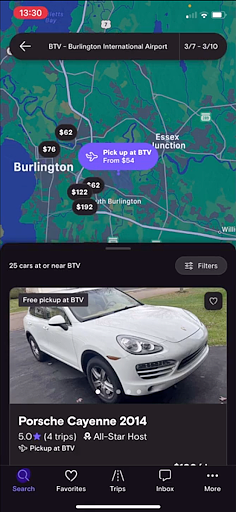
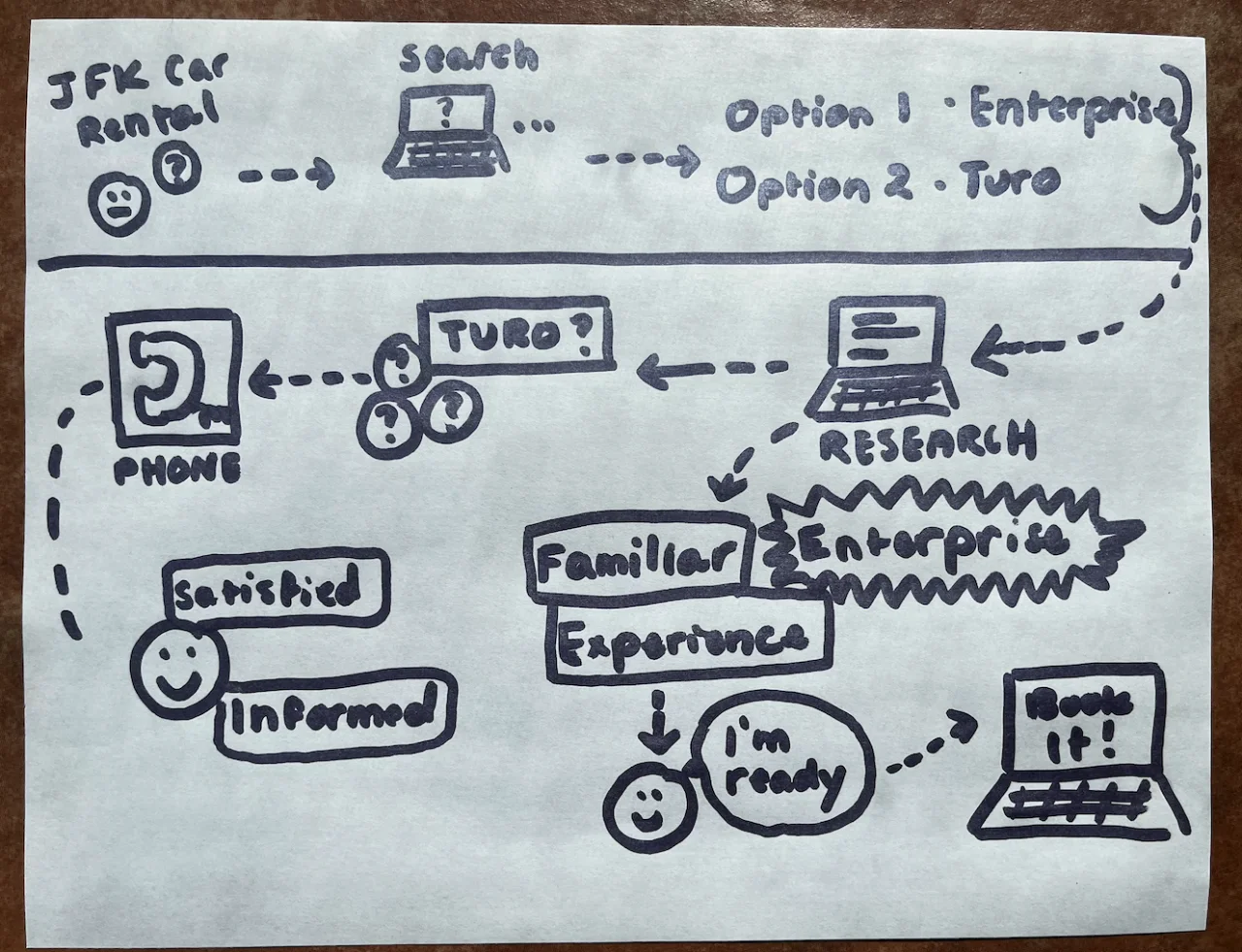
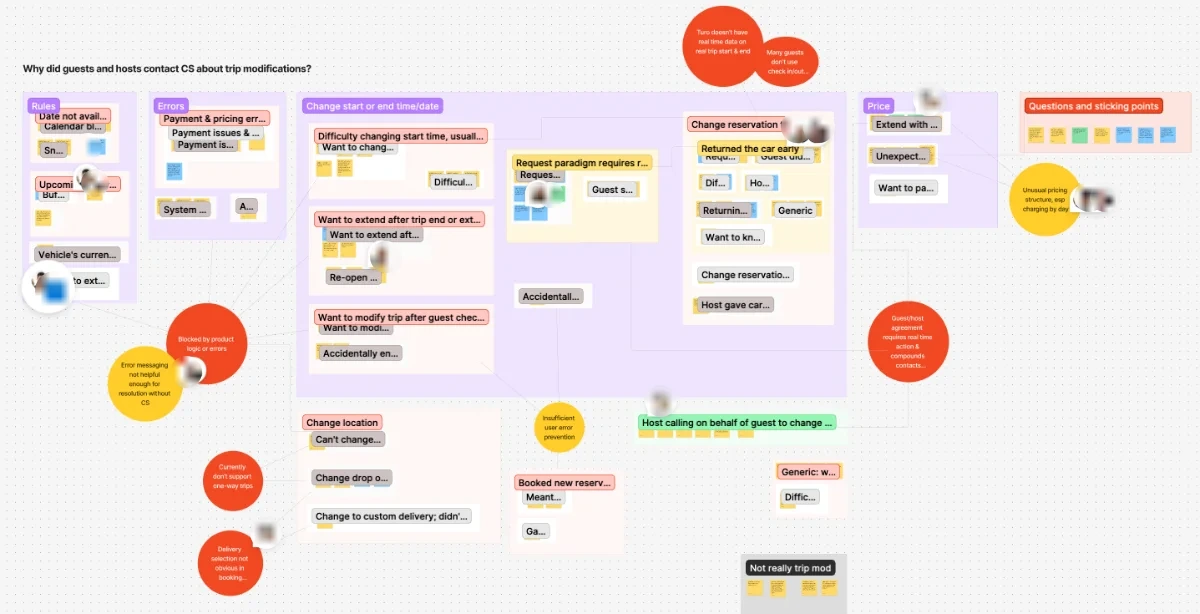
Turo is a billion-dollar car-sharing marketplace. It doesn’t own a single car, and yet the experience runs through real vehicles, two sides of a marketplace with very different needs, a handoff that happens in the physical world, and a shopping journey that starts long before anyone reaches the site. Untangling a system like that, and finding where a problem actually lives in it, is the work I’m built for. It isn’t specific to Turo, or to cars.
“Her insights have become part of company lore, underscoring the depth of her influence.”— Hollis Shoor, Senior Director of Research
From the people I worked with
“Her research rigor, high standards, and keen product sense have been instrumental in shaping both our user experiences and our company strategy. She’s bold, inquisitive, and unafraid to ask the tough questions. She has shaped not only our product but the way we think as a company. Any organization would be fortunate to have her.”— Hollis Shoor, Senior Director of Research
“A researcher with superb product sensibility and an innate drive to truly understand our customers. She has a remarkable talent for translating insights into guidance that resonates with Product Managers and Designers alike. If you have the chance to work with her, don’t hesitate.”— Brian Beaver, SVP of Design
Engagements, by shape
It starts with a scoping call: what’s the decision, and what’s the most efficient study that settles it?
About
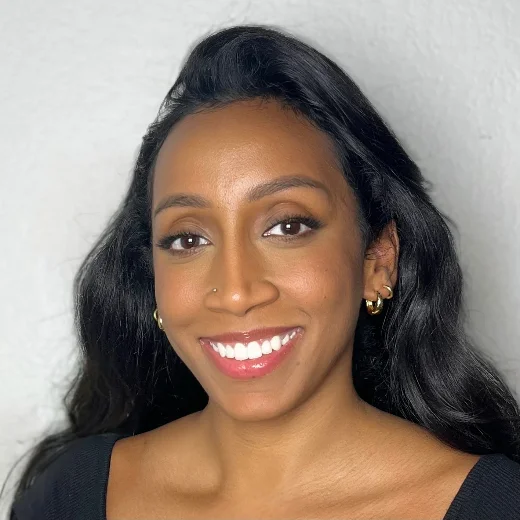
I untangle complex systems.
I’ve been in UX since 2015, including six years at Turo, where I went from UX Researcher to Lead. These days I take on research work of any size, from anywhere.
When I’m not doing that, I’m probably behind DJ decks or looking for the best bite in town.