Understanding Turo’s airport experience from the inside out
I put Turo’s own product leaders through the airport pickup experience, bags in hand. It made a suspected problem specific, and got it a dedicated team.
Field immersion
Message analysis
Journey mapping
Background
Airport pickup was one of Turo’s highest-volume use cases and one of its most inconsistent. Everyone on the product team knew airports were hard. What no one had was a shared, specific picture of why, detailed enough to design against and vivid enough to prioritize.
There was almost no product infrastructure to evaluate, so the research had to build that picture from close to nothing. Leadership set the direction: get out of the building and live the experience.
Research design
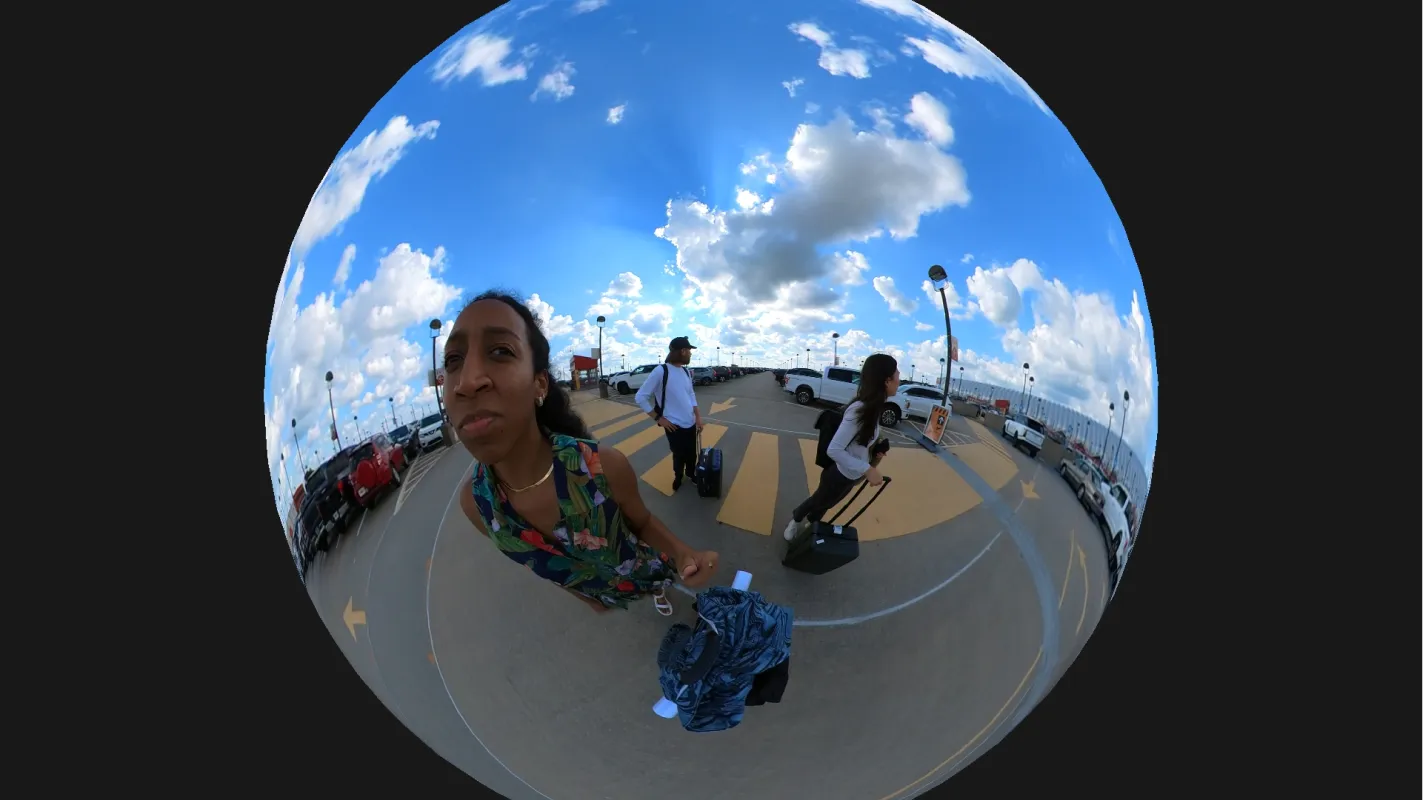
The scoped work was a walk-a-mile field study: fly a cross-functional team to three airports, book real Turo cars, and document the pickup and return experience as guests. The travel dates were fixed, which left me a window beforehand. I used it to add something that wasn’t in the original ask: host interviews. The guest experience was downstream of host behavior and I wanted to understand the system producing the inconsistency rather than just its symptoms. Going into the airports already knowing what hosts dealt with turned out to sharpen everything we looked for on the ground.
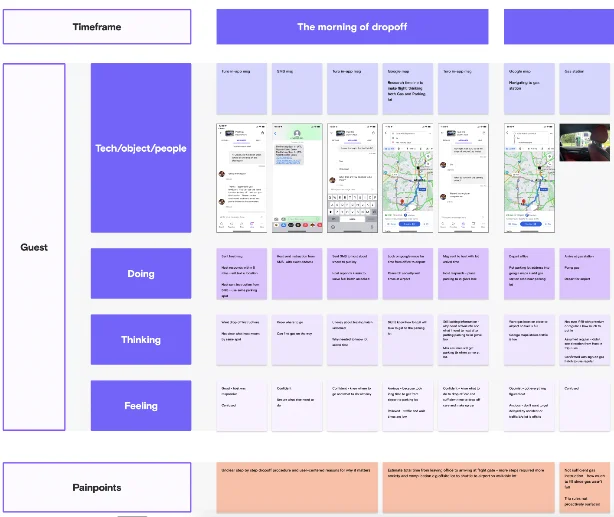
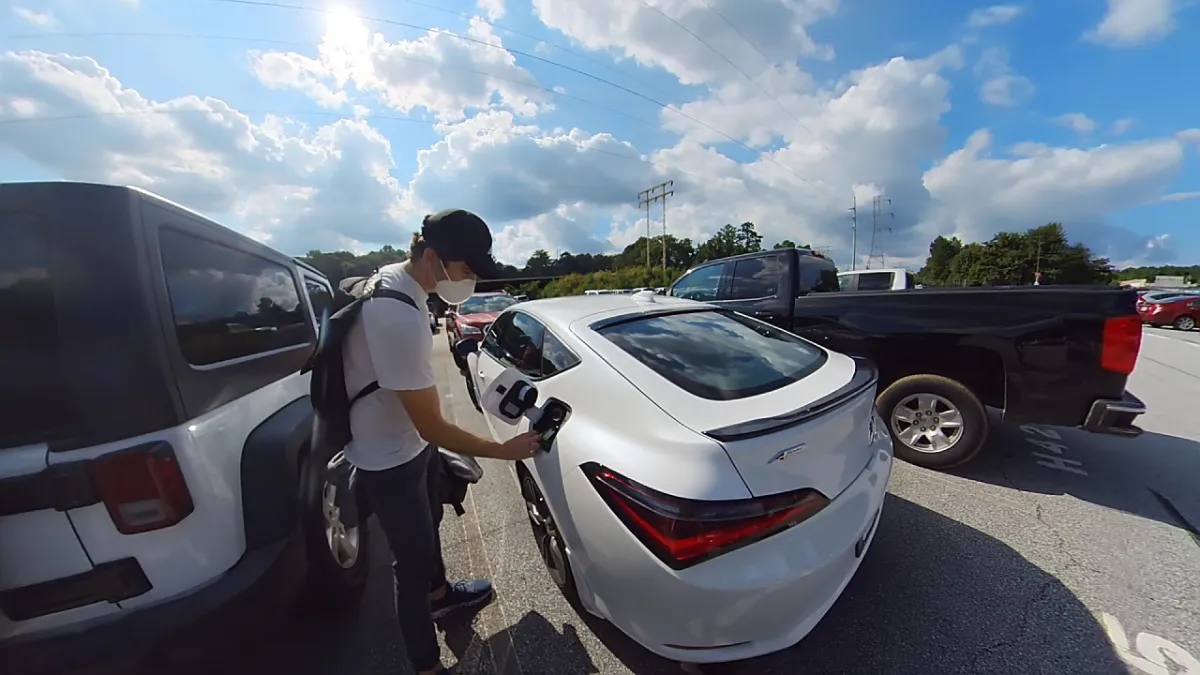
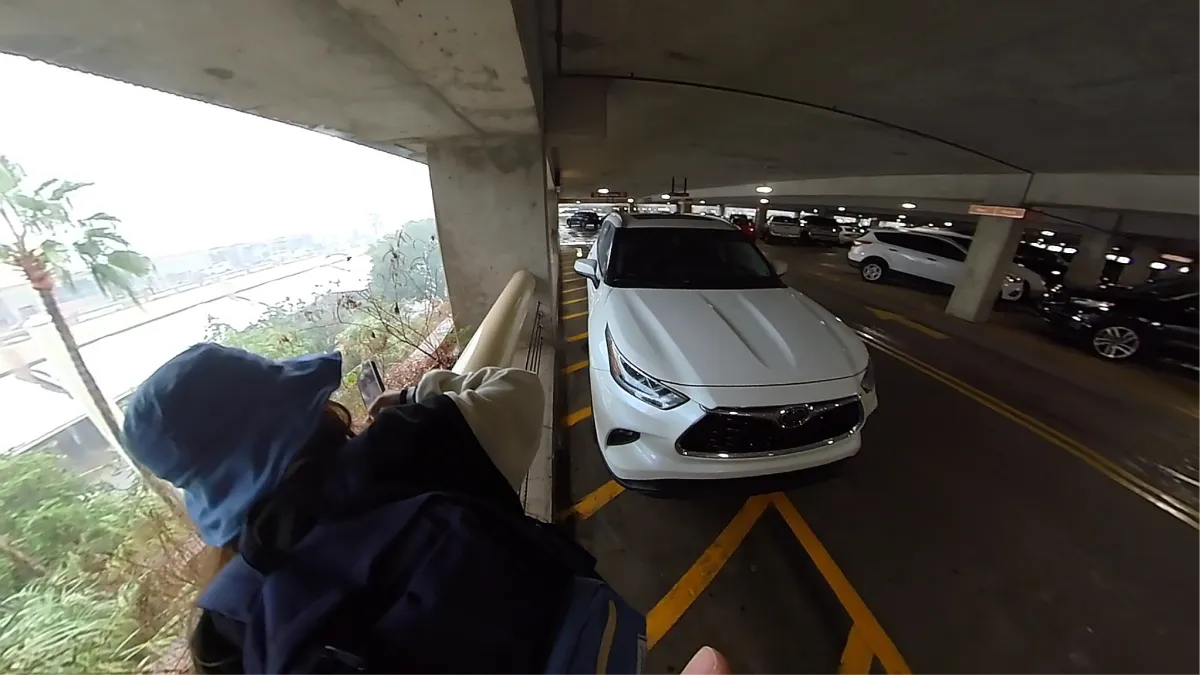
I interviewed 14 hosts across Atlanta, Minneapolis, and Orlando, with fleets ranging from 2 to 40 cars. Then the field visits: the team flew to all three airports and documented the full experience using 360 cameras, phones, and notes. The three airports were chosen for regulatory variation. Atlanta had no Turo permit, Minneapolis and Orlando did, and each had its own rules about where cars could legally change hands, enough spread to separate what was structural from what was airport-specific. On the second day in each city, while the experience was still fresh, I had the whole team build journey maps together on a board with sticky notes. Those maps became the structural bones of how airport pickup should work, and were later digitized in Figma.
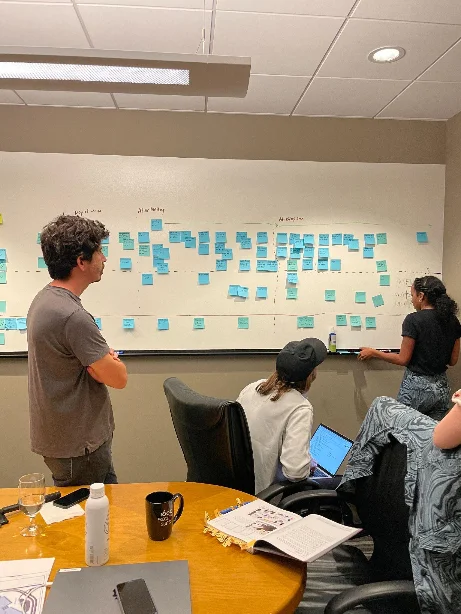
The team was deliberately senior: a Director of PM, a Senior PM, a Design Director, a Senior Product Designer, a Senior Director of UX Research, and me. A note on participants: using Turo employees rather than real guests is a real limitation, and informed users navigate differently. But the physical environment doesn’t get easier because you work at Turo. A locked stairwell, a full garage, and wrong directions from airport staff affect everyone, and about half the team were new enough that their mental models sat close to a first-timer’s.
What we found
The host interviews explained the inconsistency before we ever set foot in an airport. There was no process for hosts to follow, so each one had built their own from scratch through trial and error: their own messaging templates, their own parking workarounds, their own way of timing delivery around flight arrivals.
Delivery fees ran anywhere from $30 to $120, set by each host’s private math about Uber costs and seasonality. Only 2 of the 14 offered free delivery, and both could afford it only because they took public transit home. What a guest experienced came down almost entirely to which host they happened to book.
“You don’t have any kind of support from Turo, anything at the airport, or someone you can call or ask for any help.”— Host, Orlando, 25 cars
It was costing hosts, too. Staging a car at the airport meant parking fees, surge-priced rides back, tolls, and time spent waiting. Several said the delivery fee barely covered the trip home, and a few wondered aloud whether airport delivery was worth offering at all.
“Higher trip fees, airport access fee, delivery fee, parking fee…it means guests rent from Hertz.”— Host, Orlando, 37 cars
What struck me most was how much they converged when asked what would fix it. Nearly every host, independently, wished for the same two things: a dedicated Turo space at the airport, and for Turo to give guests the pickup instructions instead of each host improvising them. Fourteen people who had never met, all inventing the same workaround and asking for the same fix. That points at the product, not at fourteen separate failures of execution.
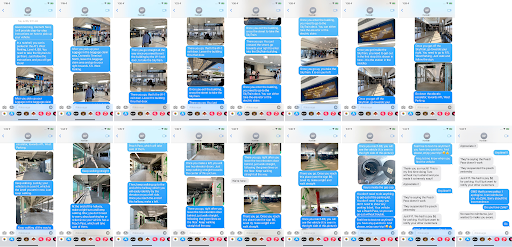
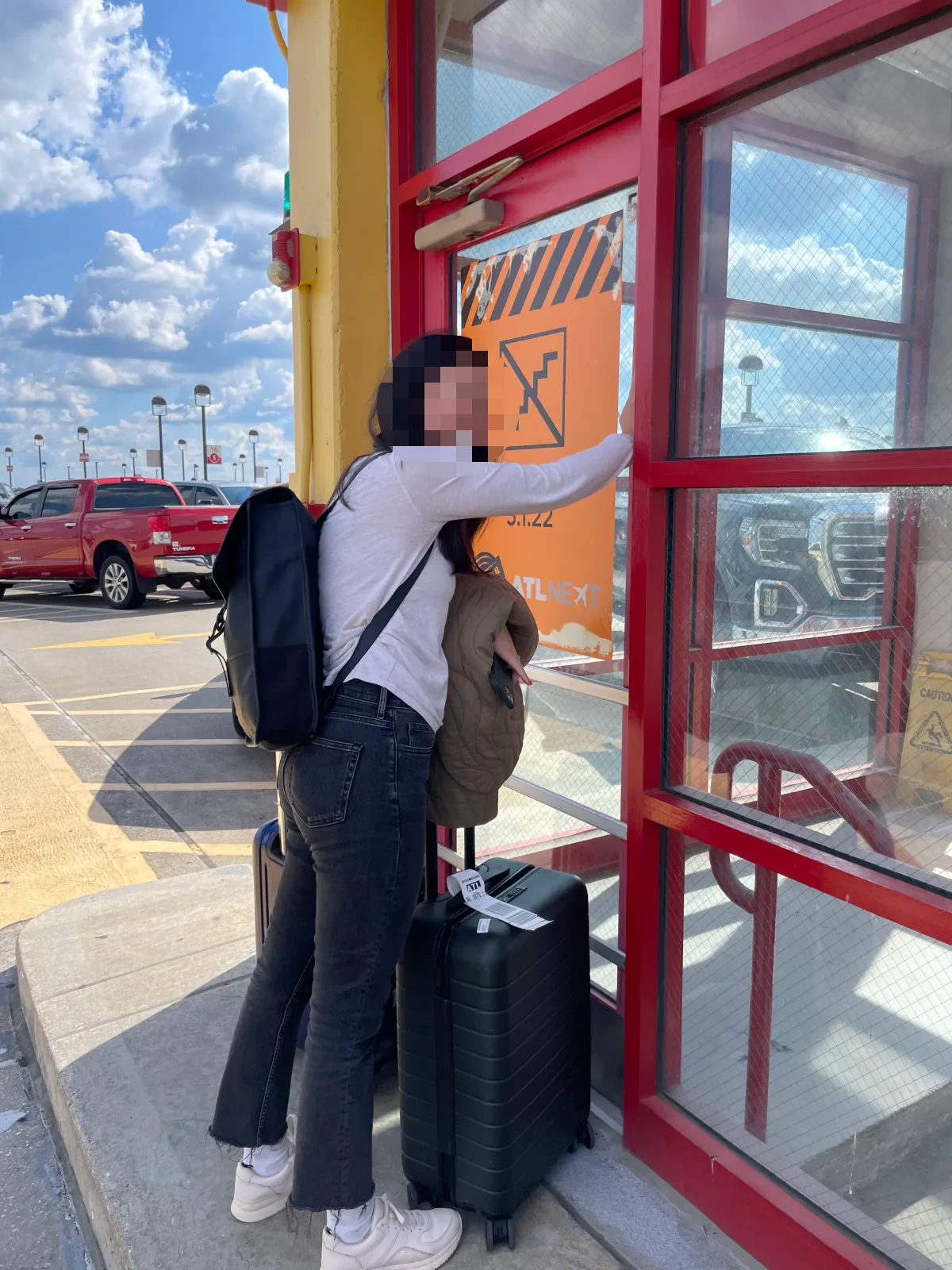
The field visits made that abstract gap impossible to ignore, because we lived it. In Atlanta, one of us spent close to an hour getting from baggage claim to the car, asked four different airport staff for directions, and walked a long way in 90-degree heat with luggage, because nothing in the app or the airport connected where he was standing to where the car actually was. Another team member, picking up a car that turned out to be at an off-site lot he hadn’t expected, got stuck in a loop of unclear shuttle instructions and images that wouldn’t load. That surprise wasn’t a one-off: message analysis and the visits kept turning up trips where the handoff method set in the app didn’t match what actually happened. While he waited, he said the thing the whole project turned on.
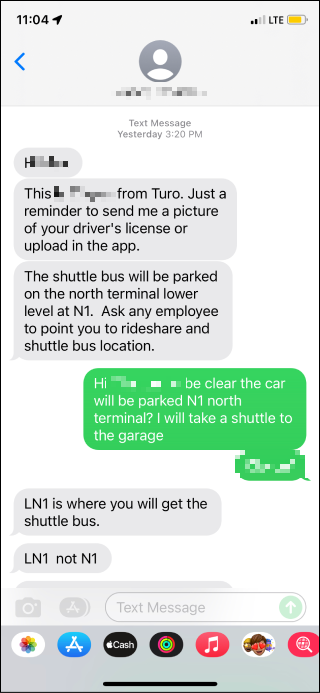
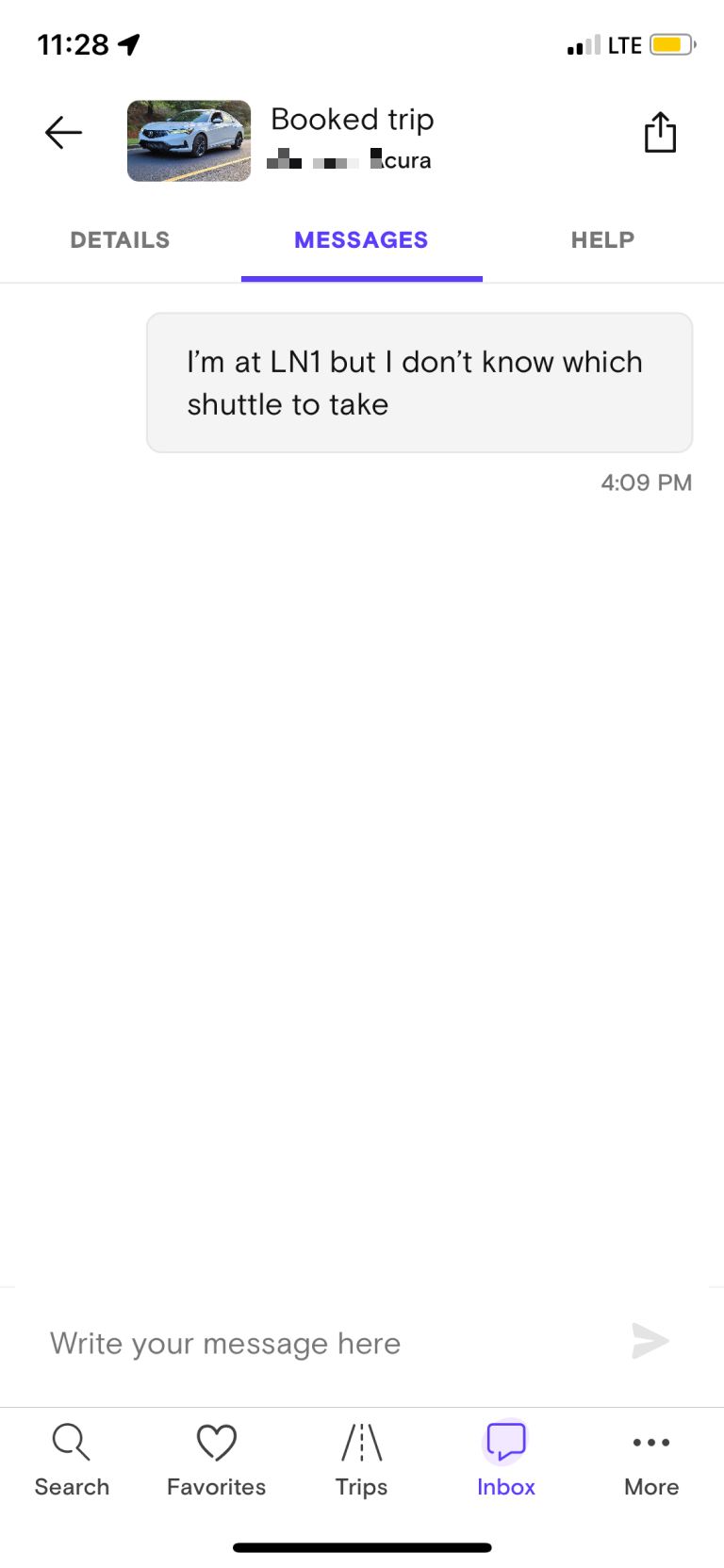
“If I wasn’t a Turo employee on a research trip, I would have given up and turned to the rental car counter by now.”— Design Director, during pickup in Atlanta
That is the airport problem in one line. The friction was steering people back toward the traditional rental car companies Turo was trying to win them from, and it was happening to senior product and design leaders in real time, with their own bags in their hands. The journey maps we built each afternoon turned those experiences into a shared structure: the phases of a pickup, the points where it broke, who was responsible at each step. Hosts had been doing the best they could with nothing, and every inconsistent guest experience traced back to the same empty space in the product, sitting between the host and the guest.
What I recommended
The host report carried detailed recommendations on costs, fees, and messaging. Three ideas led them all.
Outcomes
The guest journey was presented at a company all-hands and in a C-suite meeting, both requested rather than volunteered.
A dedicated airport product team was formed as a direct result. For the first time the problem was specific enough, and felt strongly enough, to prioritize and own.
The team’s first build was in-app wayfinding: a two-sided tool that collected structured location data from hosts and surfaced it to guests, moving a core responsibility off individual host improvisation and into the product.
The journey maps became the framework the product team designed against, and the field research approach was written up and shared as a model for the broader research team.